Play Italy
No, you don't need to speak Italian to visit Italy. English is spoken throughout the country's hotels, restaurants, museums, and tour services, and millions of English-speaking travelers get around Italy comfortably every year without a word of Italian. What changes - quite a lot, actually - is how consistently you can count on that comfort, depending on where you go and how you travel.
Quick facts
- Short answer: No - Italian is not required to travel in Italy.
- Official language: Italian, with regional minority languages in a few border areas (French in Valle d'Aosta, German in South Tyrol, Slovene near Trieste and Gorizia).
- English proficiency, nationally: low compared to the rest of Western Europe - Italy ranked 59th of 123 countries in the EF English Proficiency Index 2025, the lowest score in the EU.
- Where English is most reliable: cities and established routes - Rome, Florence, Venice, Milan - and the north-east, which posted the strongest regional scores.
- Where it thins out: small villages, rural trattorias, and local markets - particularly in the south and the islands, the lowest-ranked regions in the same index.
- Italian required to book a Play Italy trip: none. Your Travel Designer and local guides handle every conversation on your behalf.
Do you need to speak Italian to visit Italy?
No - and this is worth saying plainly, because it's the question most people are actually asking. Italy's tourism industry is built around welcoming visitors who don't speak the language: front-desk staff, servers, museum guides, and drivers in tourist areas are trained to work in English as a matter of course.
What you don't get automatically is nuance. A menu will get translated for you; a story about why that specific hill town matters usually won't, unless someone takes the time. That's less a language problem than a depth problem - and it's the reason a little Italian, or a good guide, changes the texture of a trip more than the logistics of it.
Where English works easily - and where it doesn't
English is reliable in Italy's cities and along its main tourist routes. It becomes noticeably less consistent once you leave them.
In Venice, Florence, Milan, and Rome, hospitality staff are used to English-speaking guests and switch to it without friction. The gap opens up in the countryside: a family-run trattoria in rural Tuscany, a market stall in a Puglia village, or a stop in the Chianti countryside along the Under the Tuscan Sun wine tour route is far more likely to run on Italian only. This is exactly where a private guide earns its keep - not translating words, but translating context: which cheese is worth the detour, why the church closes at that specific hour, what the vendor is actually offering you.
The same pattern shows up further south. On a tour like the Puglia Grand Tour, the villages that make the trip memorable - Alberobello, Locorotondo - are often the ones least set up for English, which is precisely the trade-off a private, guided itinerary is designed to remove.
How Play Italy travelers handle the language barrier entirely
The travelers who feel most at ease in Italy are usually the ones who never have to think about language at all, because someone else is handling it for them.
That's the role of a private guide and a dedicated Travel Designer: booking restaurants that don't have English menus, briefing drivers, negotiating with a vineyard owner who's never needed English in forty years of business. It's daily support from your Dedicated Concierge, not a phrasebook, that removes the friction - whether you're navigating Venice's back canals or a village square an hour outside Lecce.
If you're weighing how much of this you want to handle yourself versus have arranged for you, a conversation with a Travel Designer is a useful place to start - there's no obligation, and it usually clarifies the itinerary faster than research alone.
Italian words and phrases worth knowing
None of these are required. A few go a long way with the people you'll meet.
- Grazie / Grazie mille - Thank you / Thank you very much
- Per favore - Please
- Scusi - Excuse me (formal, to a stranger or in a crowd)
- Buongiorno / Buonasera —-Good morning / Good evening
- Dov'è...? - Where is...?
- Il conto, per favore - The check, please
- Posso avere...? - May I have...?
- Non parlo italiano - I don't speak Italian
- Parla inglese? - Do you speak English?
- Com'è buono! - This is so good! (said to a cook, always well received)
- Prego - You're welcome / after you
- Alla prossima - Until next time
A “grazie mille” to a driver or a host tends to land better than any amount of correct grammar. It's not required - it's just noticed.
Frequently Asked Questions
Do you need to speak Italian to visit Italy?
No. English is widely used across hotels, restaurants, and tourist services, especially in cities and along major routes.
Do you need to know Italian to visit Italy, or is English enough?
English is enough for the logistics of a trip - transport, hotels, dining. It's not enough to access the local detail that a guide or a few Italian phrases can unlock.
Is it easy to travel in Italy without speaking Italian?
Yes, particularly in Rome, Florence, Venice, and Milan. It gets harder in small villages and rural areas, where a private guide makes the difference.
Do people in Venice, Milan, or Florence speak English?
Generally, yes - hospitality staff in these cities are accustomed to English-speaking visitors and communicate in English without difficulty.
Do people speak English in Tuscany and rural southern Italy?
Less consistently. Family-run restaurants, small markets, and villages off the main tourist routes are more likely to operate in Italian only, which is where a private guide is most useful.
What Italian phrases are most useful for travelers?
Grazie (thank you), per favore (please), scusi (excuse me), and dov'è...? (where is...?) cover most day-to-day situations.
Does a private guide or driver remove the need to speak Italian?
Yes. A dedicated local guide, driver, or Travel Designer handles bookings, ordering, and day-to-day communication, so language stops being something you have to manage.
Your unforgettable Italian Journey awaits with Play Italy
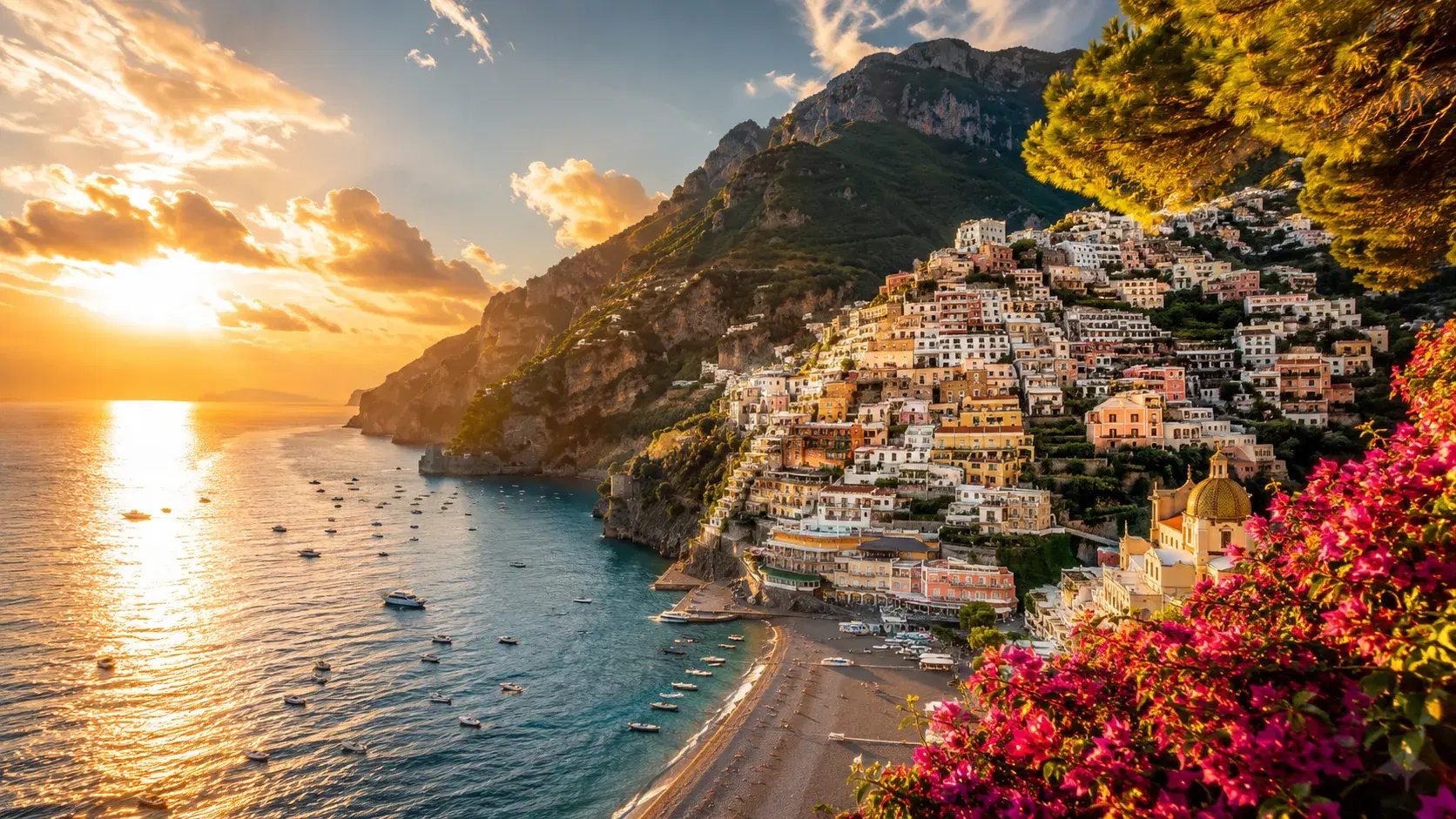
Here at Play Italy, we are dedicated to transforming your exploration of Italy's natural wonders into a seamless and unforgettable experience. Whether you're marveling at the majestic peaks of the Dolomites, relaxing by the serene waters of Lake Como, savoring the rolling hills of Tuscany, or soaking in the stunning coastal views of the Amalfi Coast, our Travel Designer service is here to tailor your adventure to your tastes. Through a dedicated free call, you can speak directly with one of our Travel Designers and begin shaping a journey that reflects your pace, preferences, and expectations. We ensure that each moment is not just seen, but truly experienced.
For more inspiration on how to weave these natural delights into your travel itinerary, we invite you to subscribe to our Play Italy newsletter. By joining our community, you'll receive expert travel tips, seasonal insights, and early access to what's coming next — along with a special discount code to use on your first journey with us. If you're considering a journey and would like to explore it with us directly, you're always welcome to get in touch via email or WhatsApp to start a personal conversation.
Choose one of our itineraries and let Play Italy open the door to a world where each sight is a story and each landscape becomes a lasting memory. Come play with us, and let us turn your Italian holiday into a refined, meaningful experience. Your dream of Italy awaits — let's bring it to life, together.

Rome, Sorrento and the Amalfi Coast: the core of Italian History
5
6 days 5 nights
7 Destinations
From $2,475
in double room

Rome: art, history and pizza
4.2
5 days 4 nights
2 Destinations
From $2,678
in double room
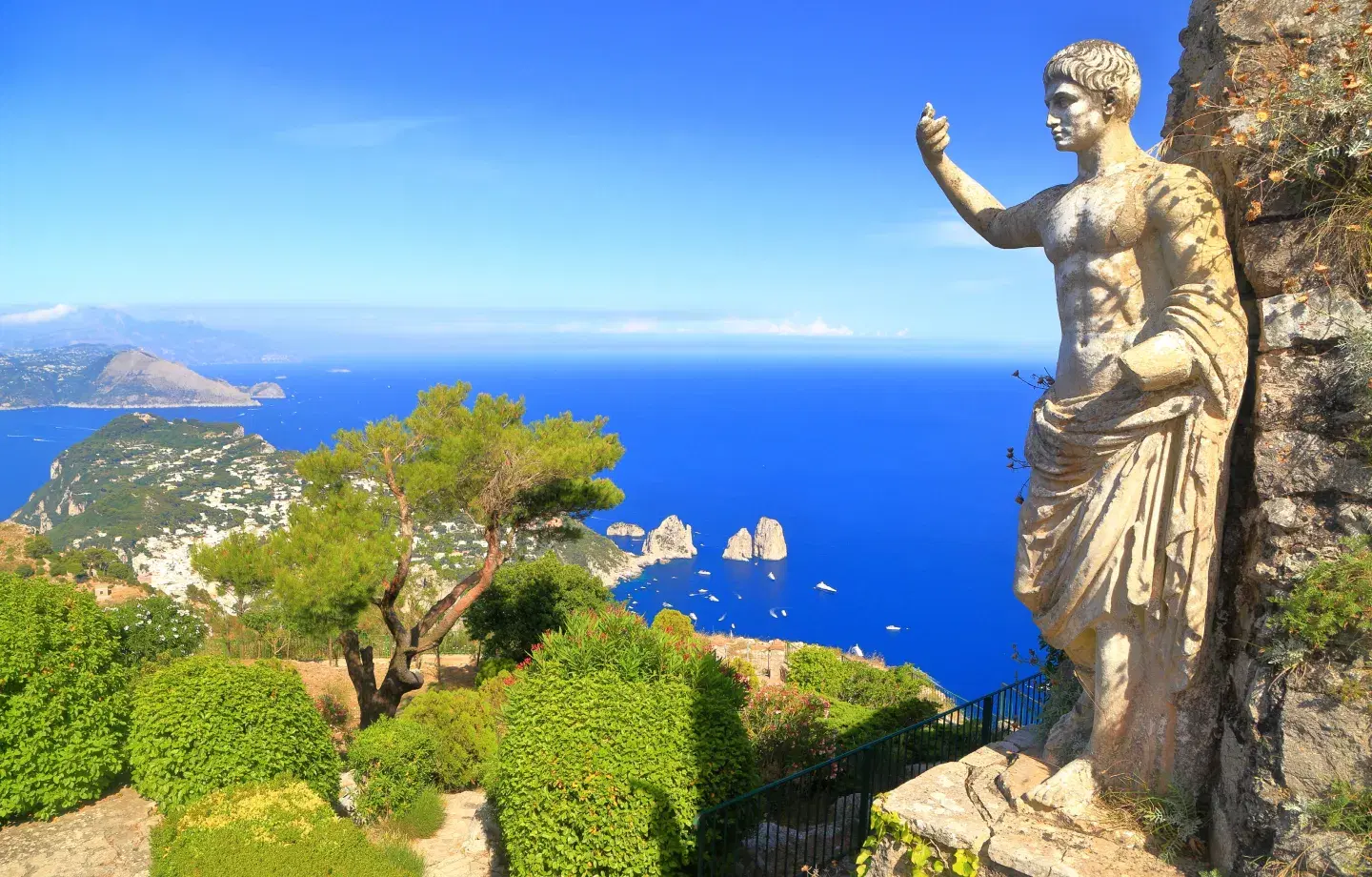
Sorrento and its surroundings: a complete immersion into relax, food and culture
5
6 days 5 nights
7 Destinations
From $2,140
in double room
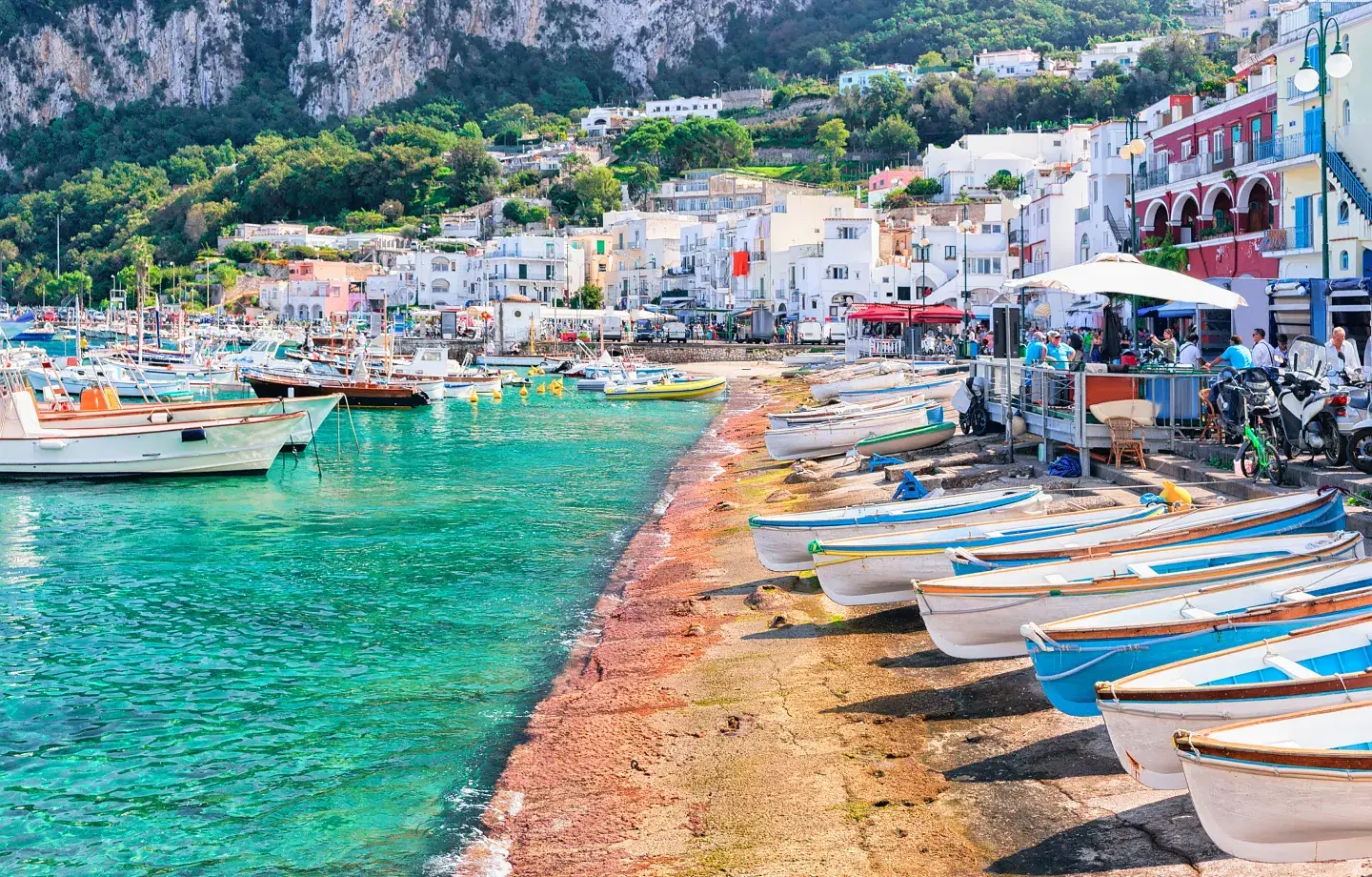
Sorrento: from the Amalfi Coast to Capri and Pompeii
4 days 3 nights
7 Destinations
From $1,782
in double room
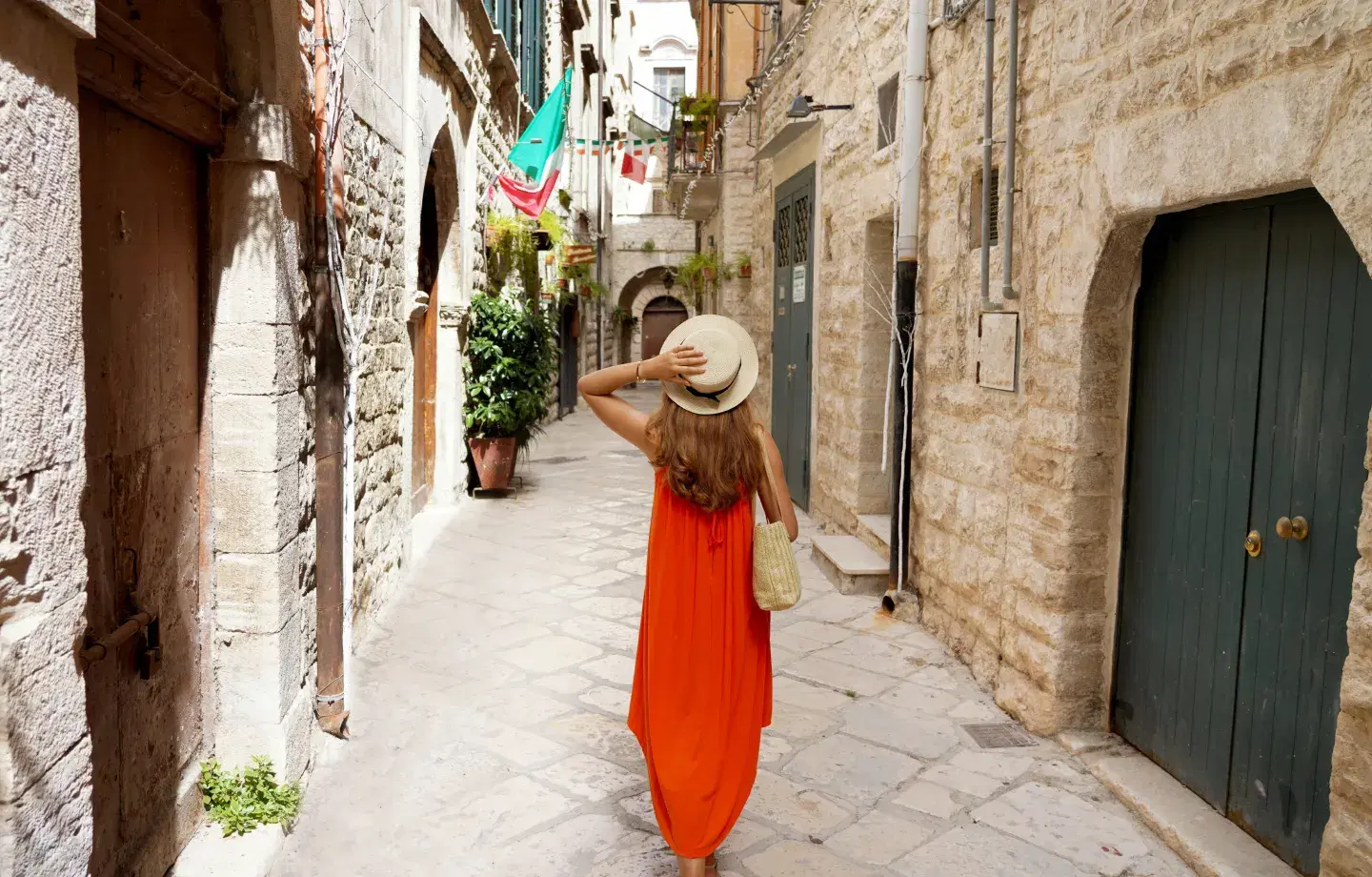
Puglia: dancing through traditions and local cuisine
9 days 8 nights
11 Destinations
From $6,943
in double room
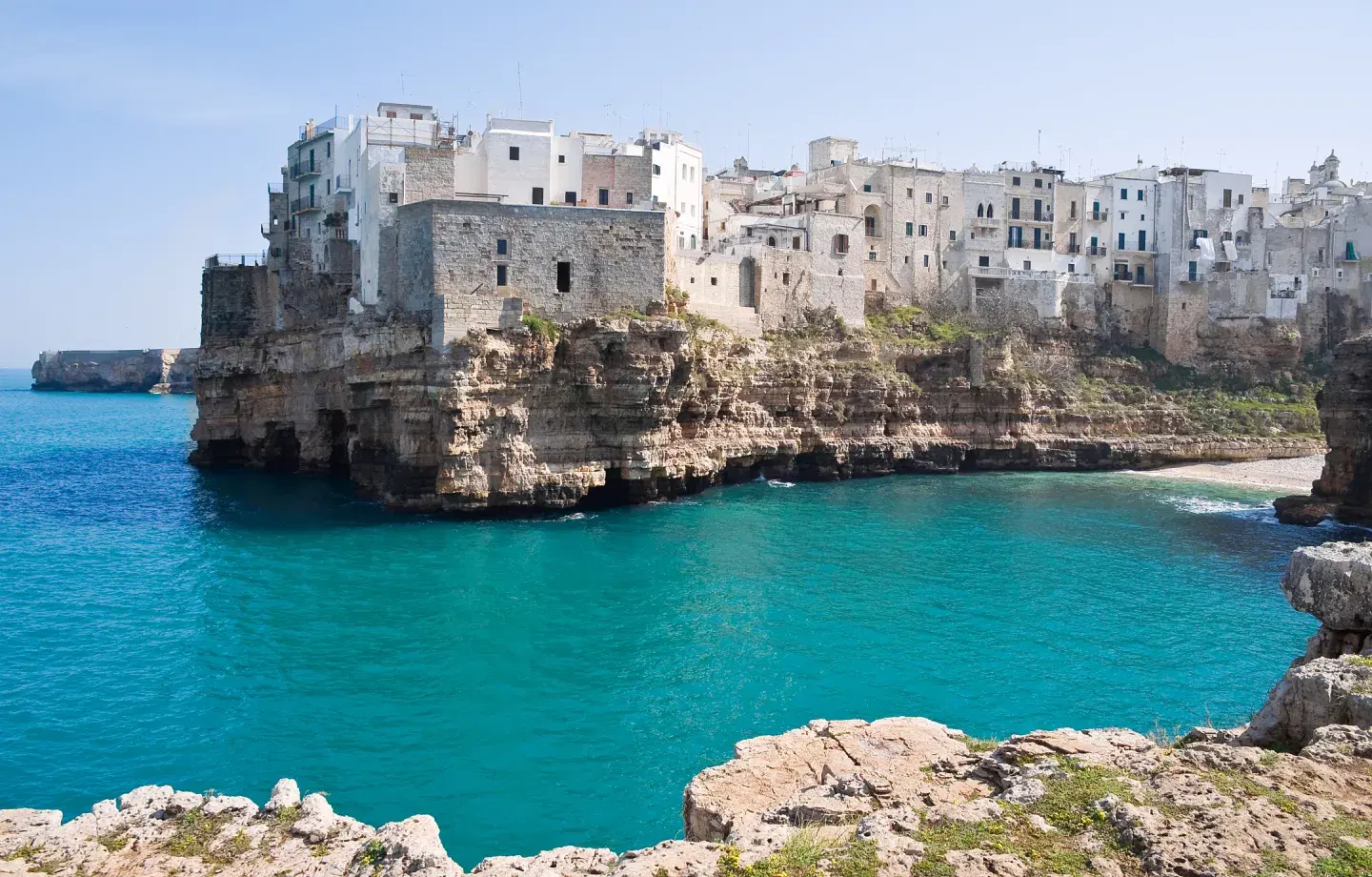
The best of Southern Italy: from the Amalfi Coast to Puglia
11 days 10 nights
16 Destinations
From $5,967
in double room
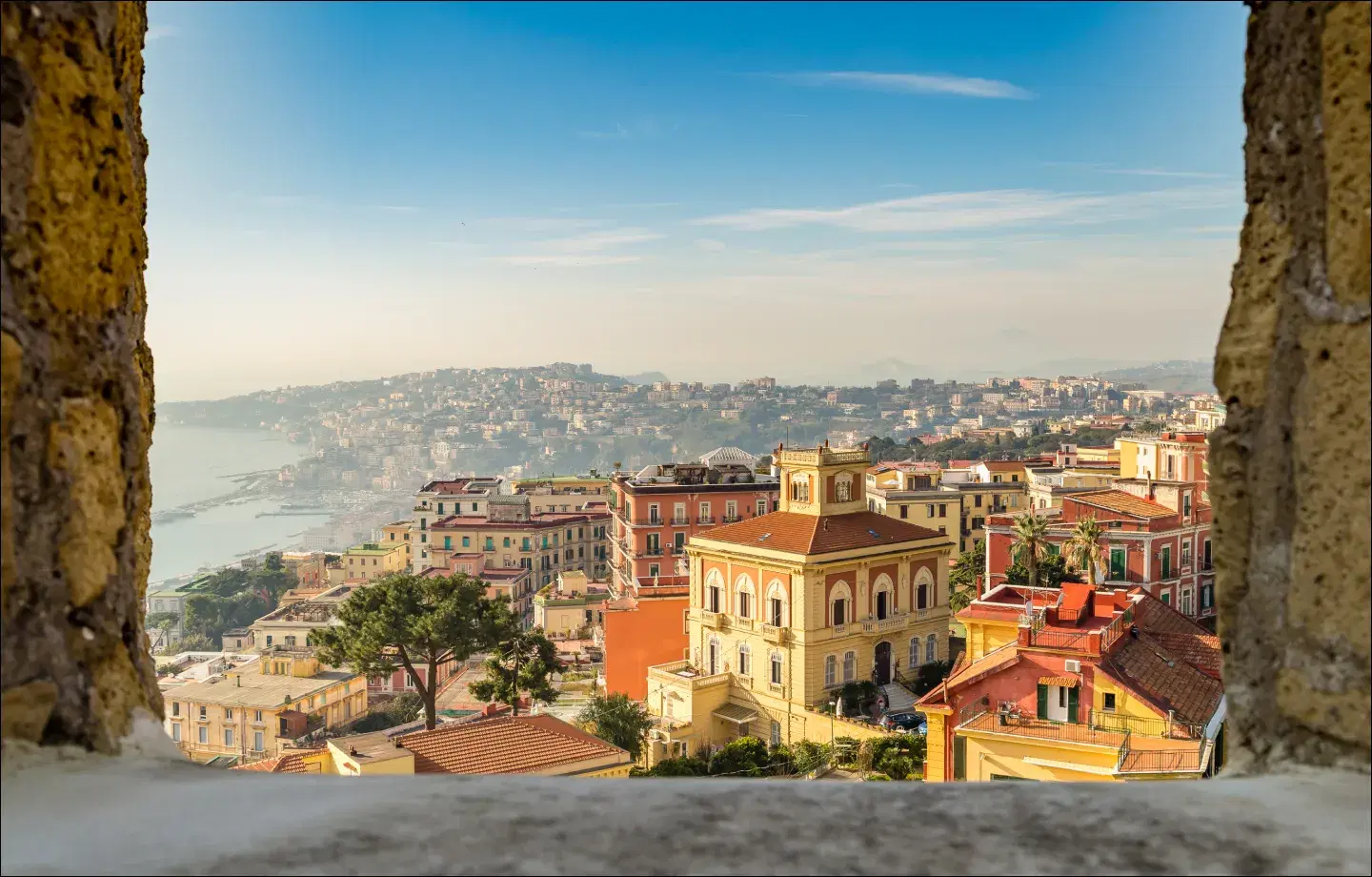
Naples, Amalfi Coast and Pompeii: a tour among art, food and culture during Winter Time
6 days 5 nights
6 Destinations
From $2,672
in double room
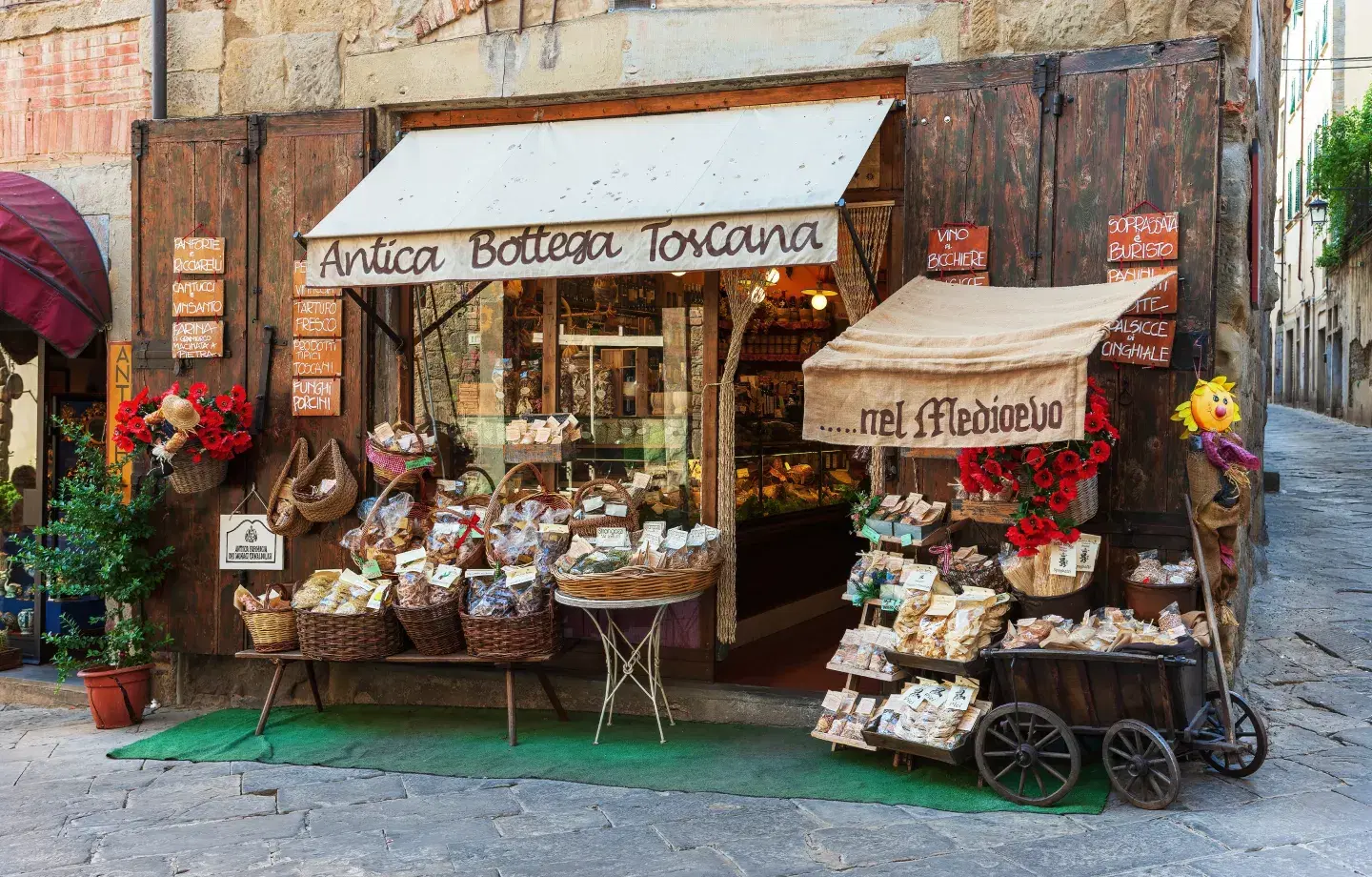
Florence: a combination of art and food traditions
4 days 3 nights
1 Destinations
From $979
in double room
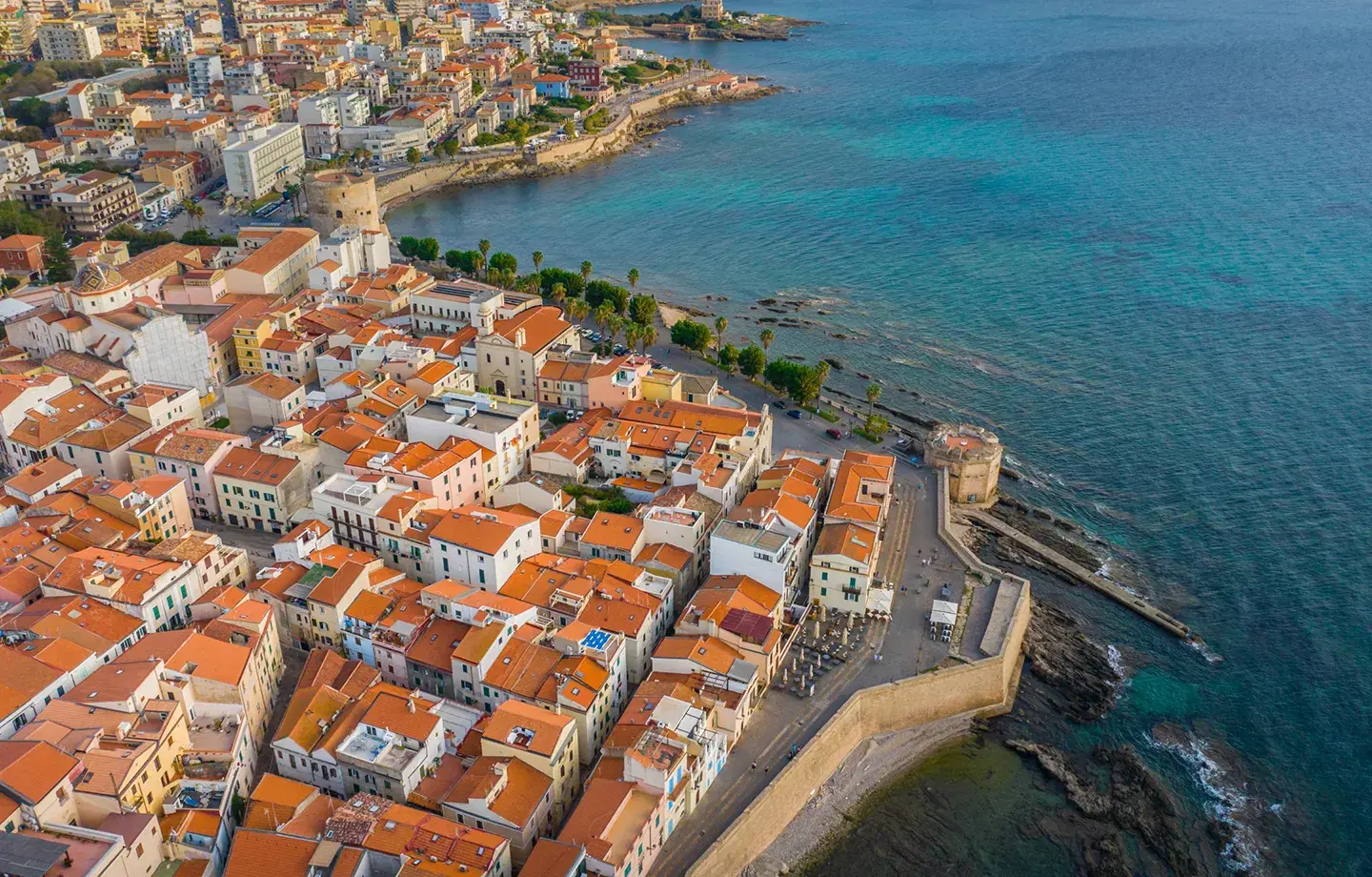
Sardinia: relax on the untouched, pristine paradise island
8 days 7 nights
7 Destinations
From $5,556
in double room
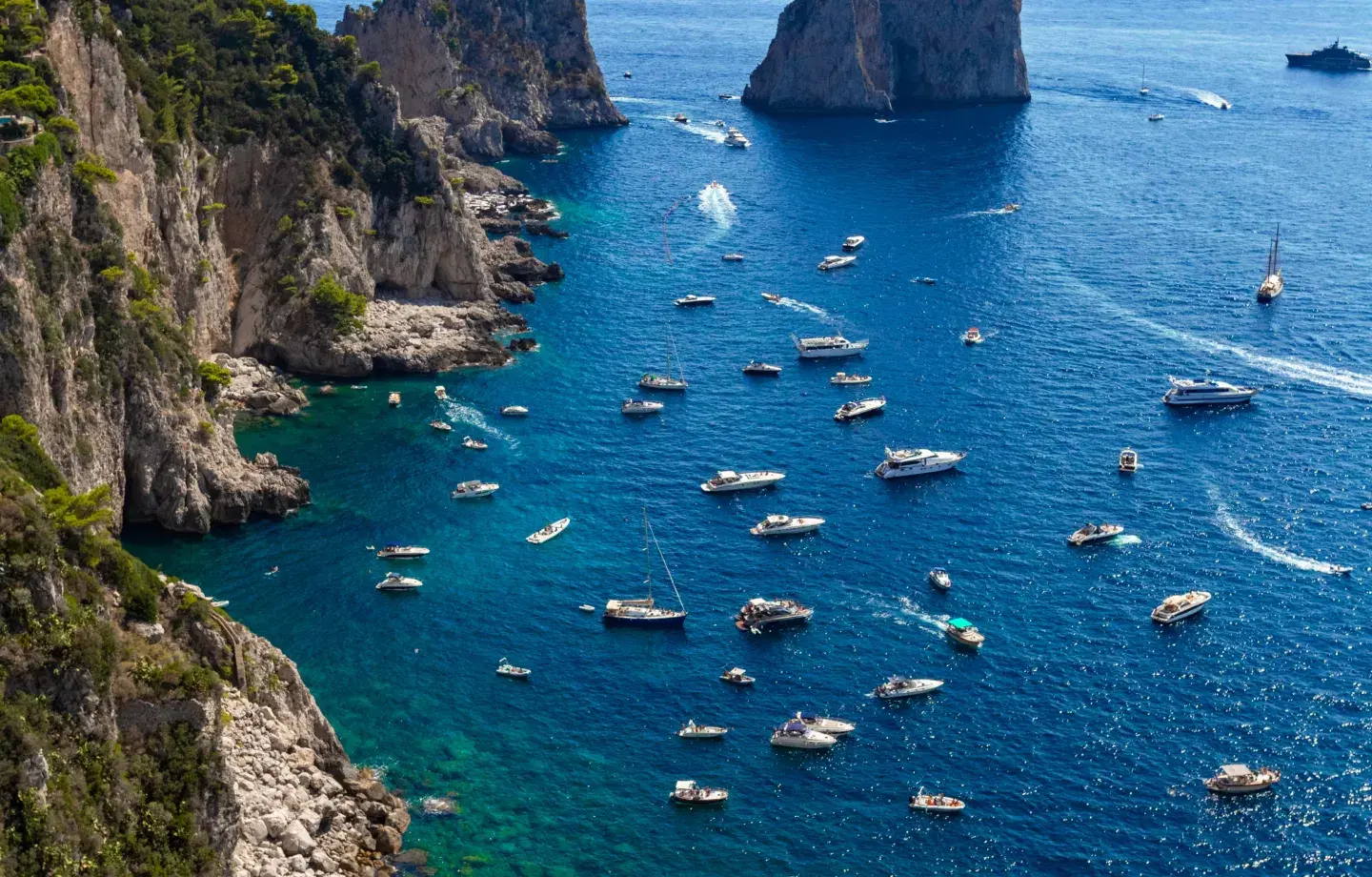
Naples and the Amalfi Coast: the complete experience
4.6
4 days 3 nights
5 Destinations
From $839
in double room

Italy's art heritage: a trip for art connoisseurs
5
8 days 7 nights
8 Destinations
From $4,566
in double room
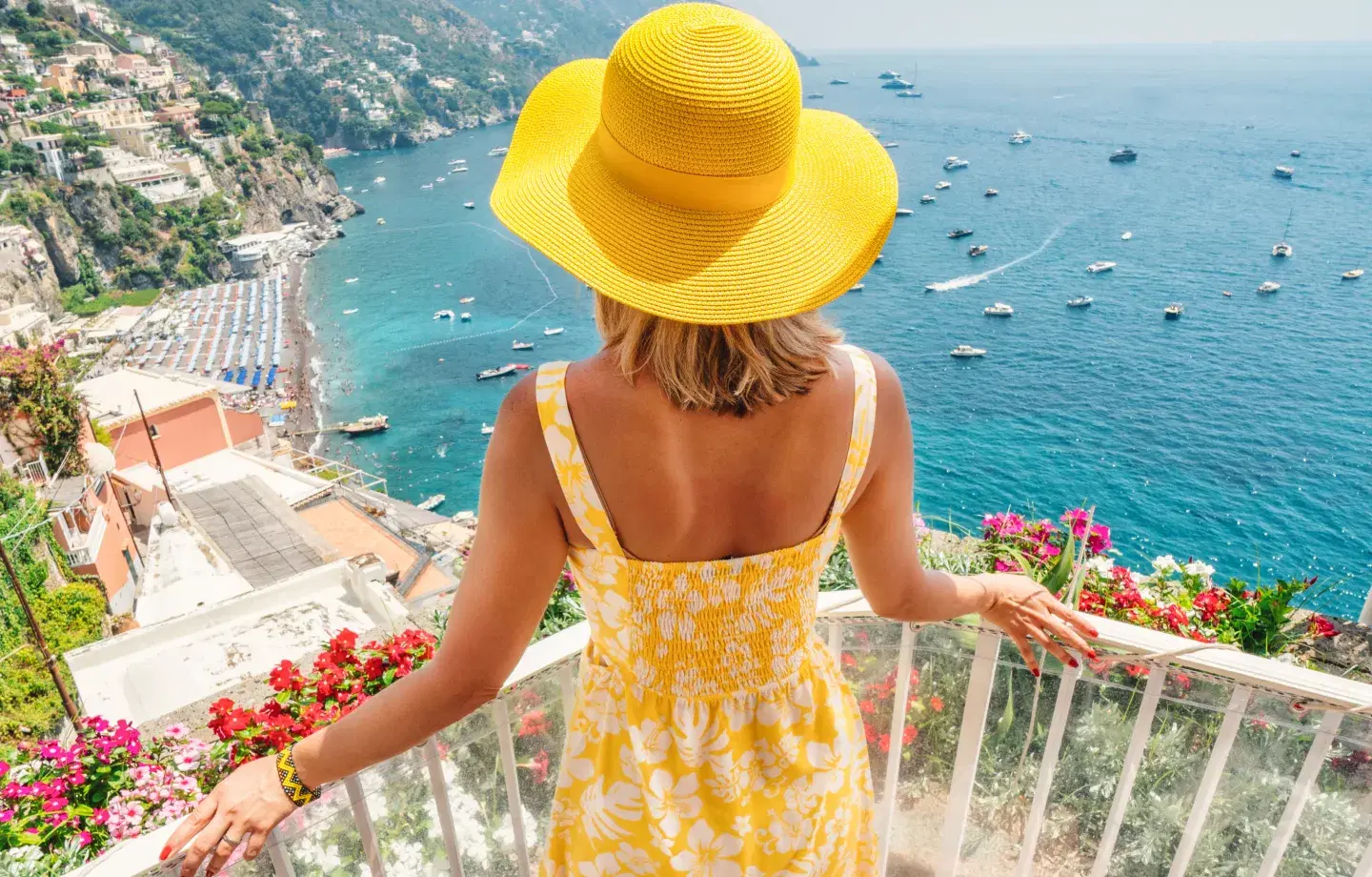
A complete dive into the Amalfi Coast
4.7
8 days 7 nights
6 Destinations
From $2,723
in double room

Milan and Lake Como: the gems of Northern Italy
4.9
4 days 3 nights
3 Destinations
From $1,756
in double room
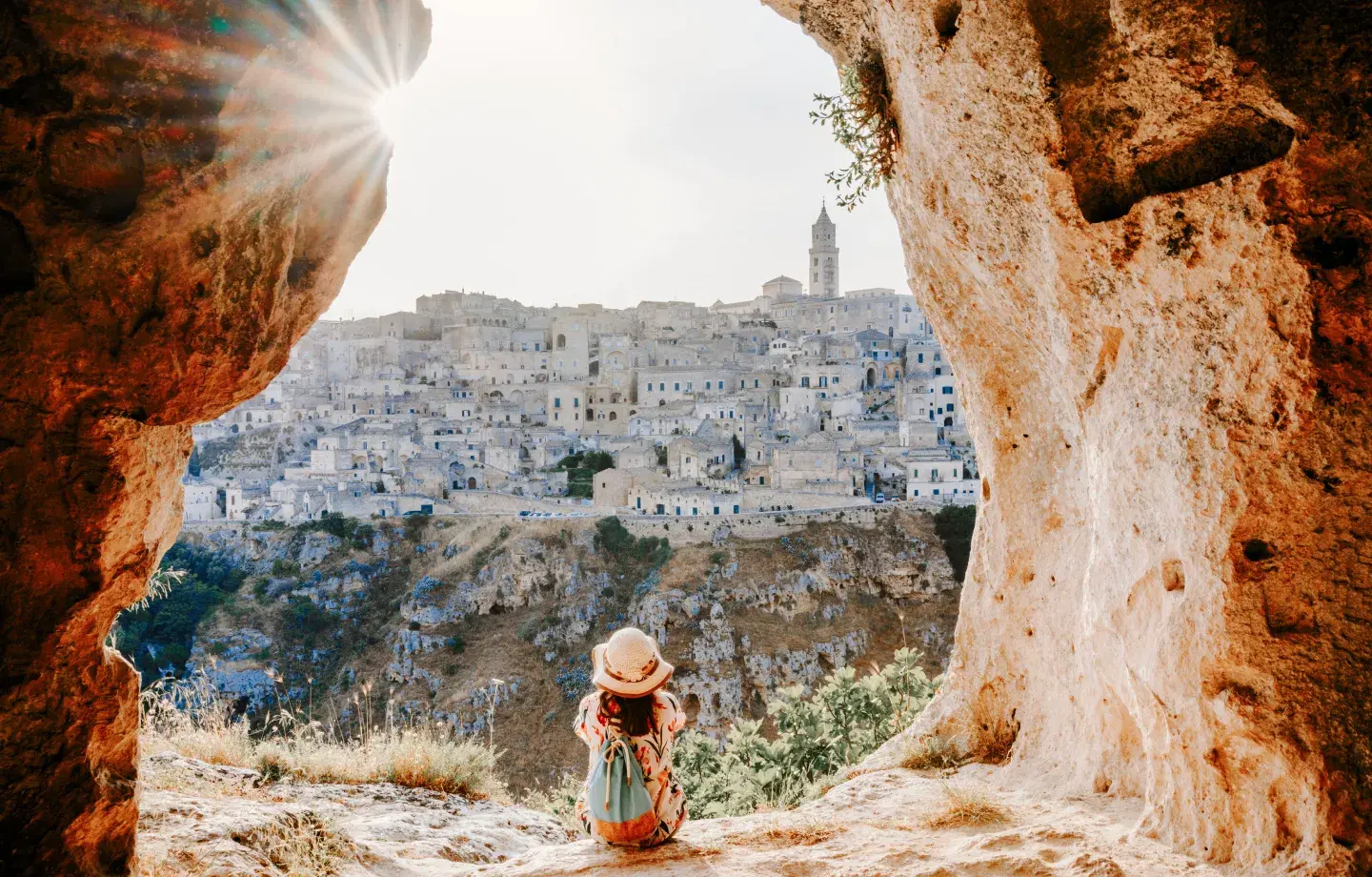
Italy: discover each side of the Country
5
13 days 12 nights
12 Destinations
From $6,115
in double room
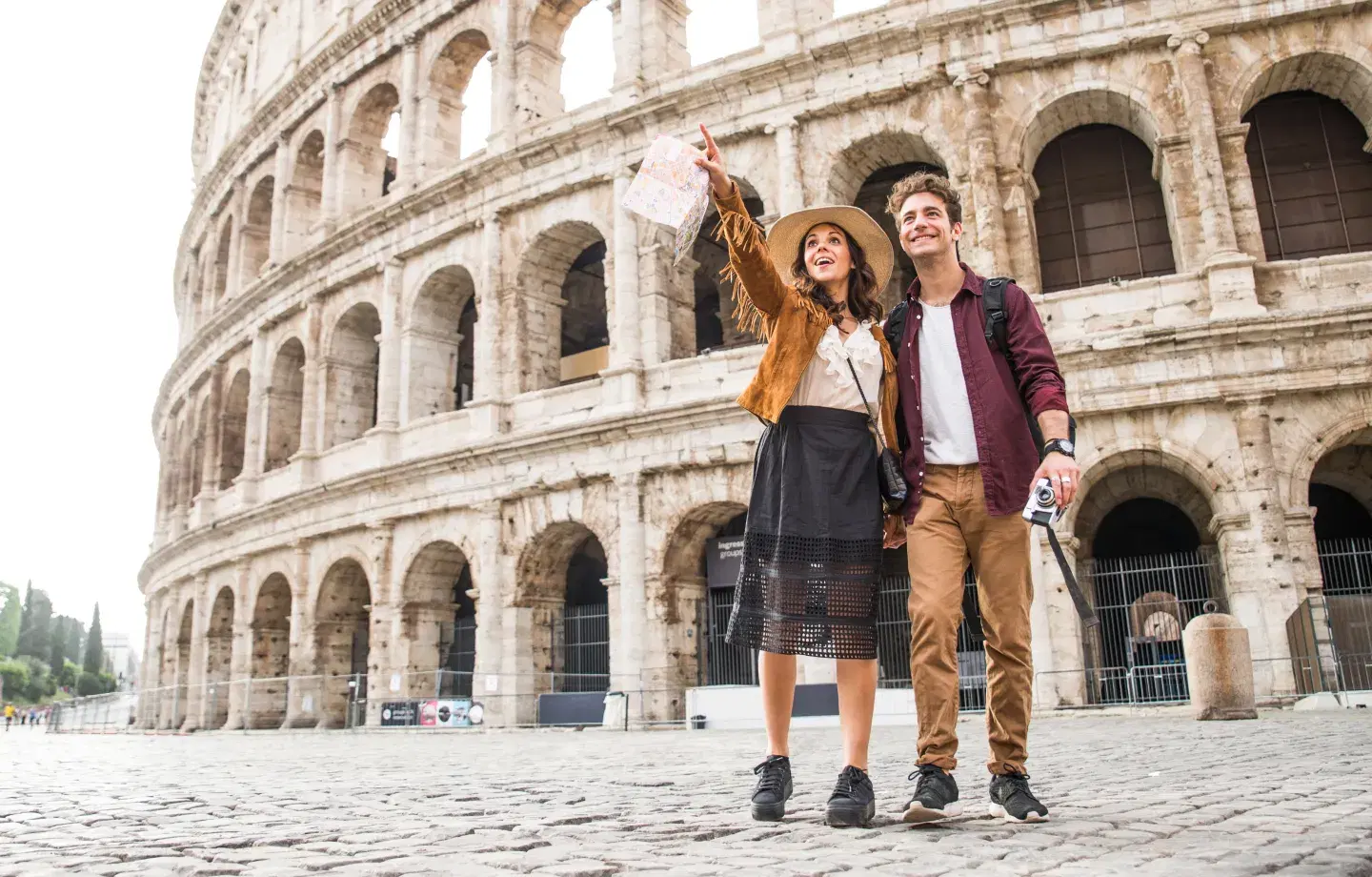
Rome: the classics views of Rome
4.8
4 days 3 nights
1 Destinations
From $976
in double room
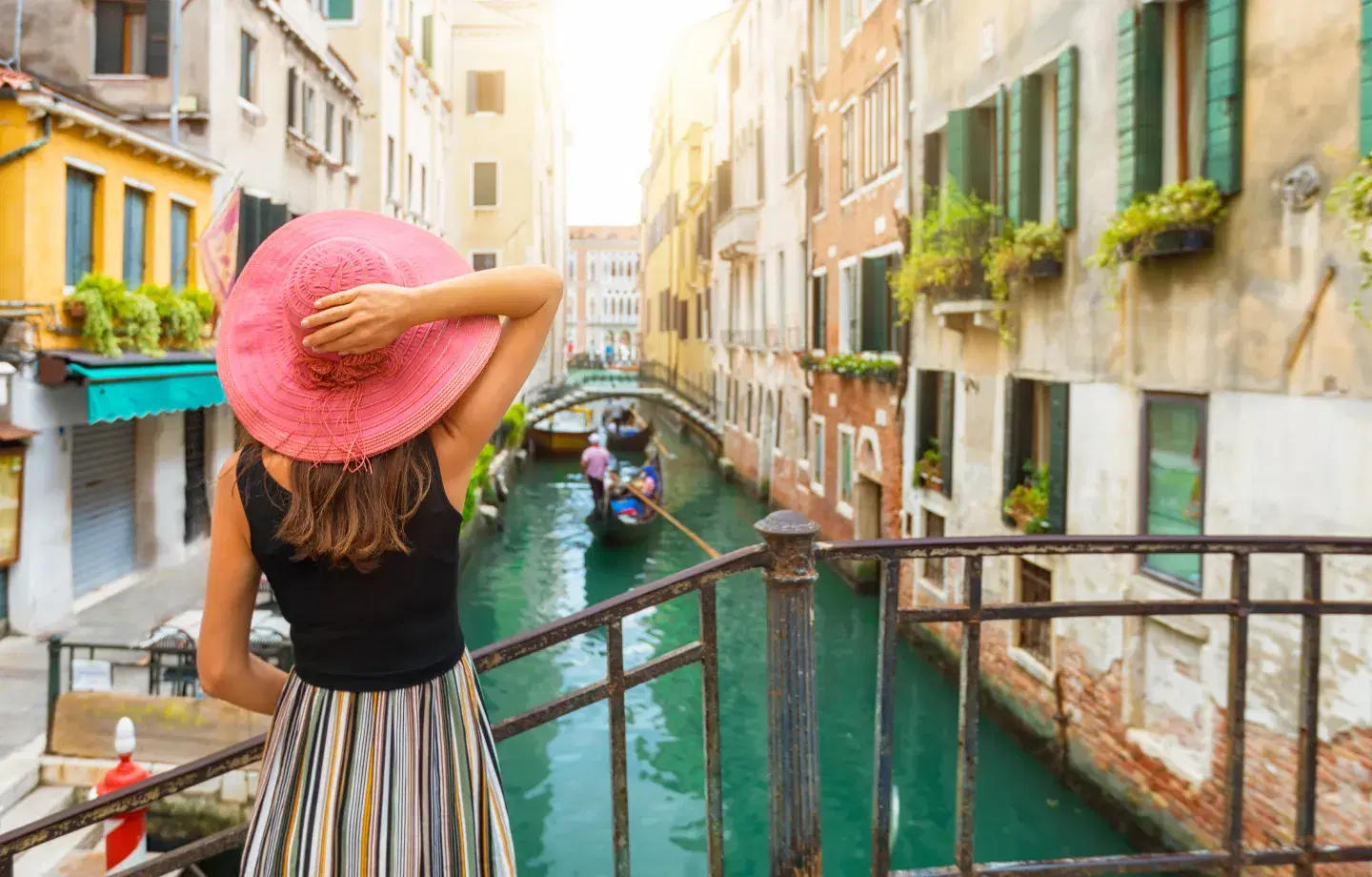
The Italian dream: Venice, Maranello, Sorrento and Rome among the art, history, food and engines
5
11 days 10 nights
12 Destinations
From $5,657
in double room

Italy in 17 days: culture, discoveries and surprises
17 days 16 nights
17 Destinations
From $6,823
in double room
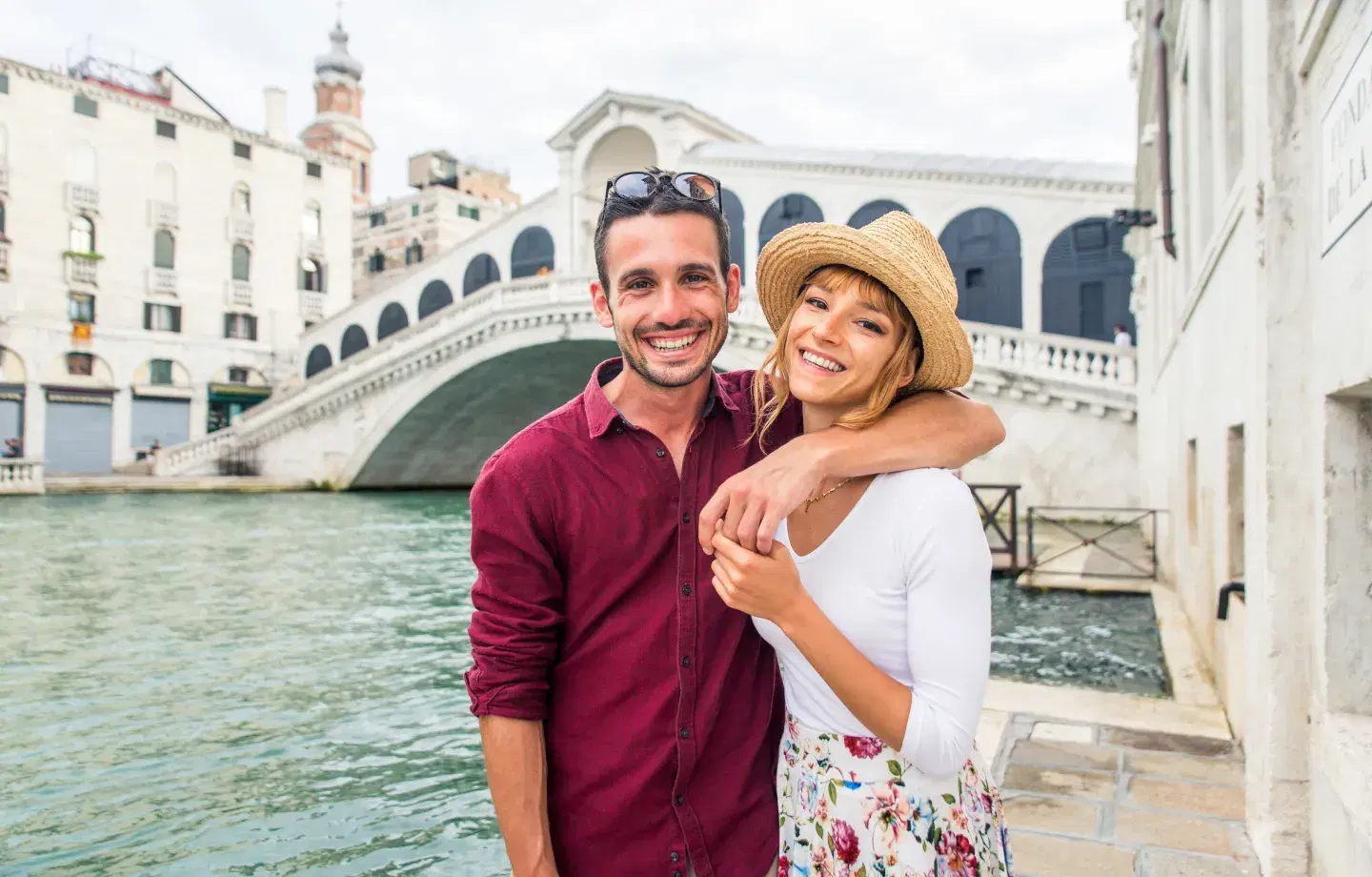
Venice: the true Venetian experience
5
4 days 3 nights
1 Destinations
From $1,691
in double room
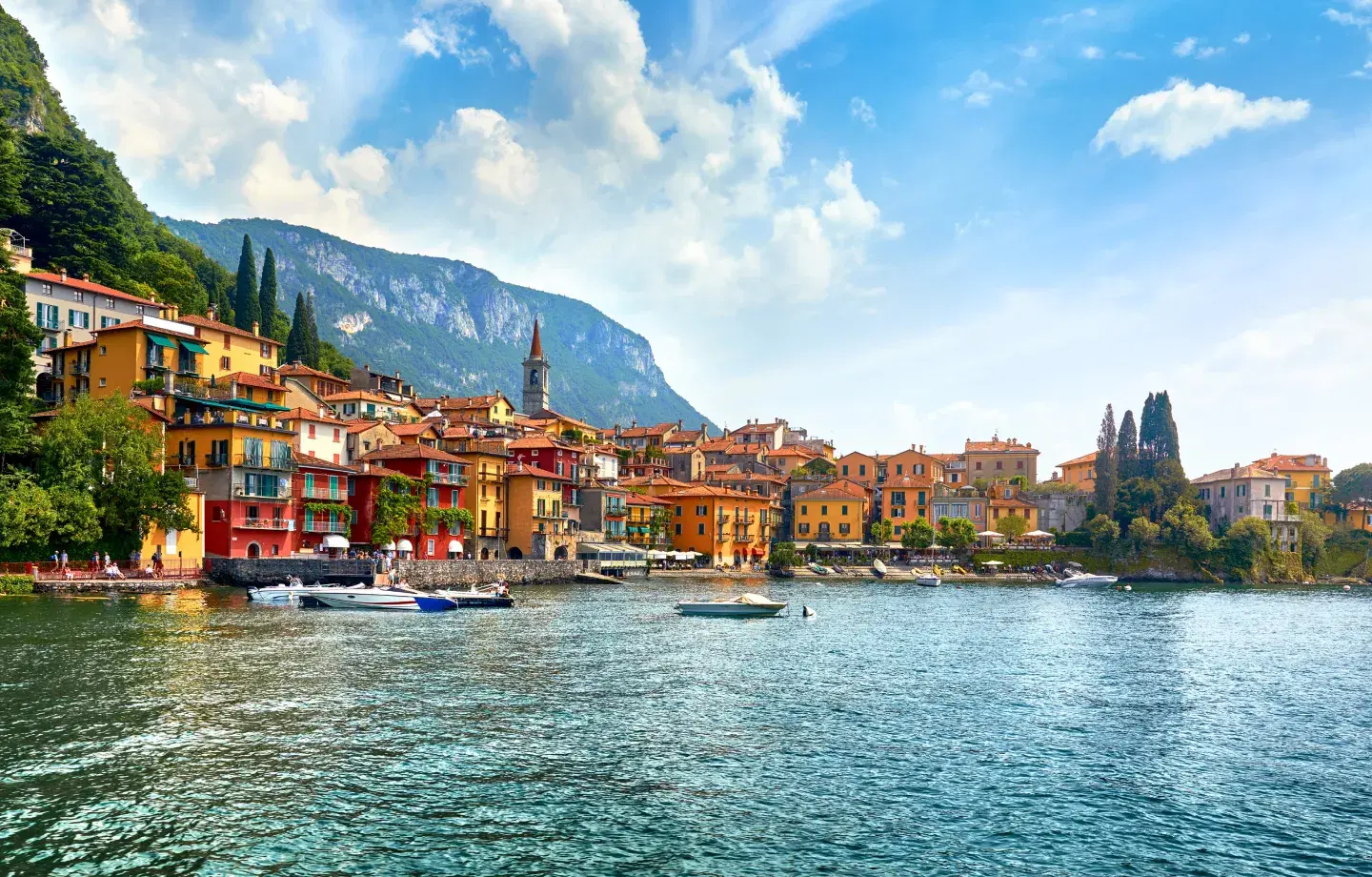
Lake Como and Bernina Express: a view from St. Moritz
4 days 3 nights
3 Destinations
From $1,786
in double room
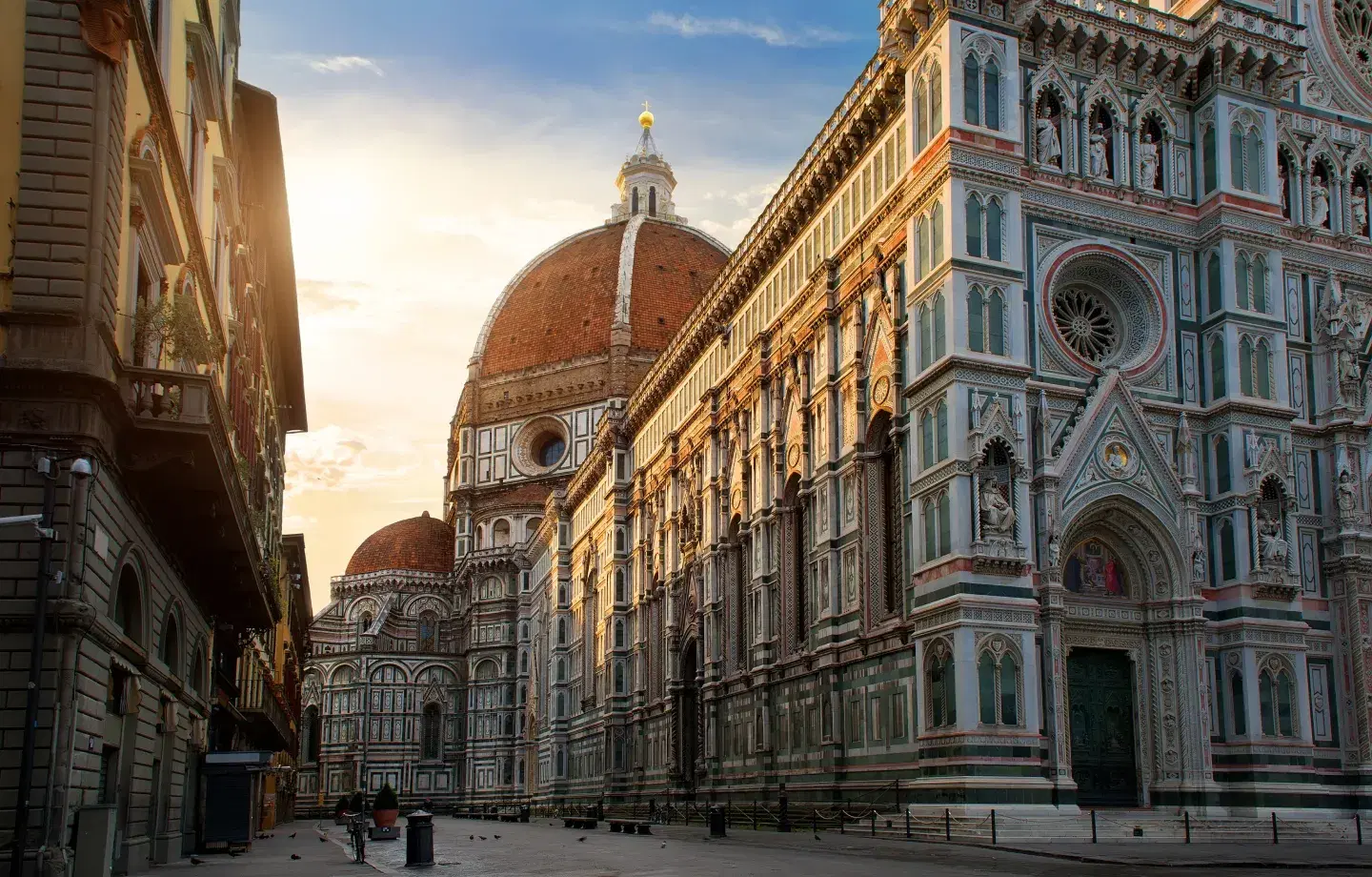
Rome, Florence and Tuscany: the ultimate trip for history and art
4.8
6 days 5 nights
5 Destinations
From $1,791
in double room
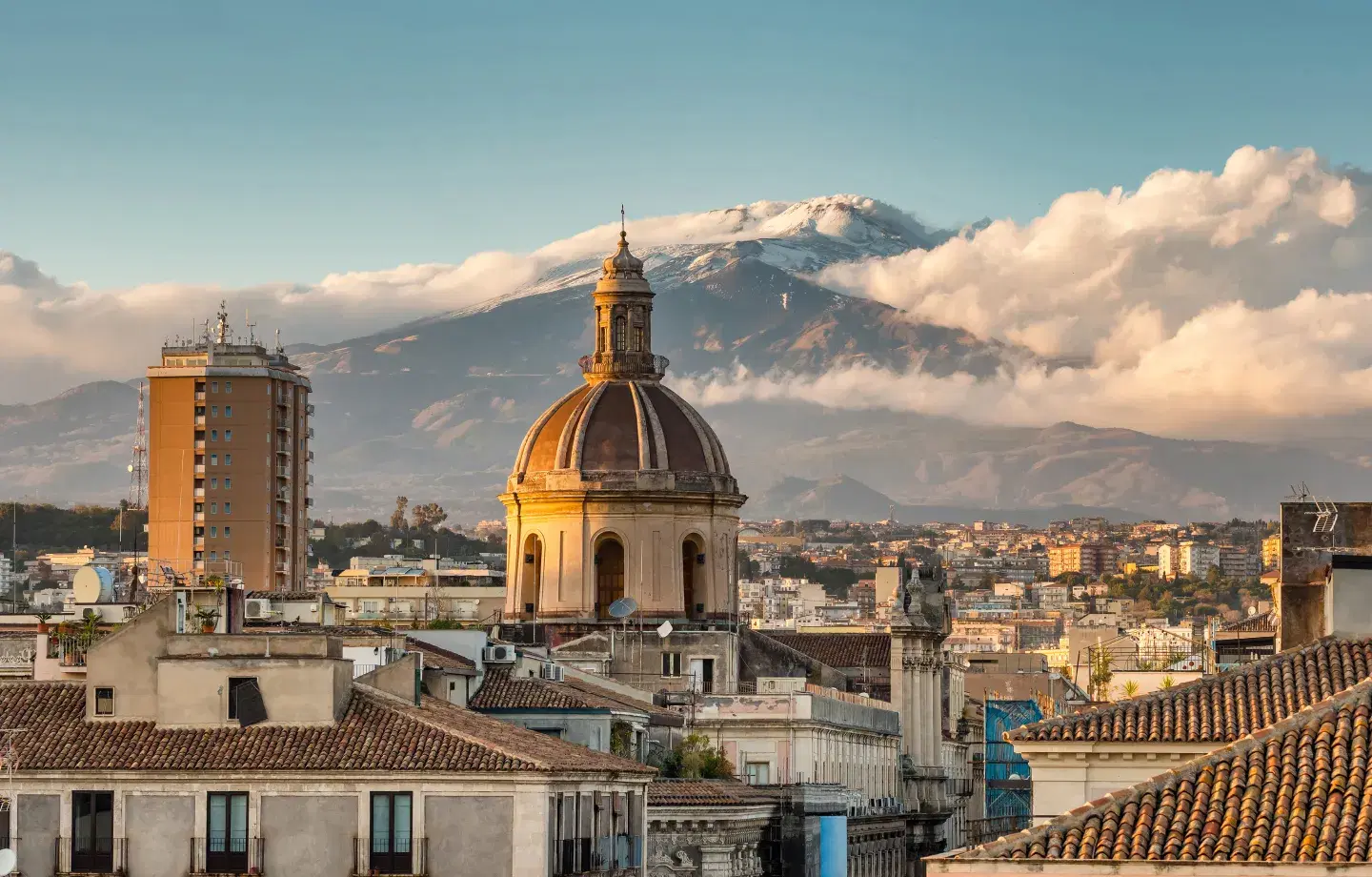
Sicily: a full immersion into the enchanting Mediterranean Island
5
8 days 7 nights
8 Destinations
From $7,586
in double room
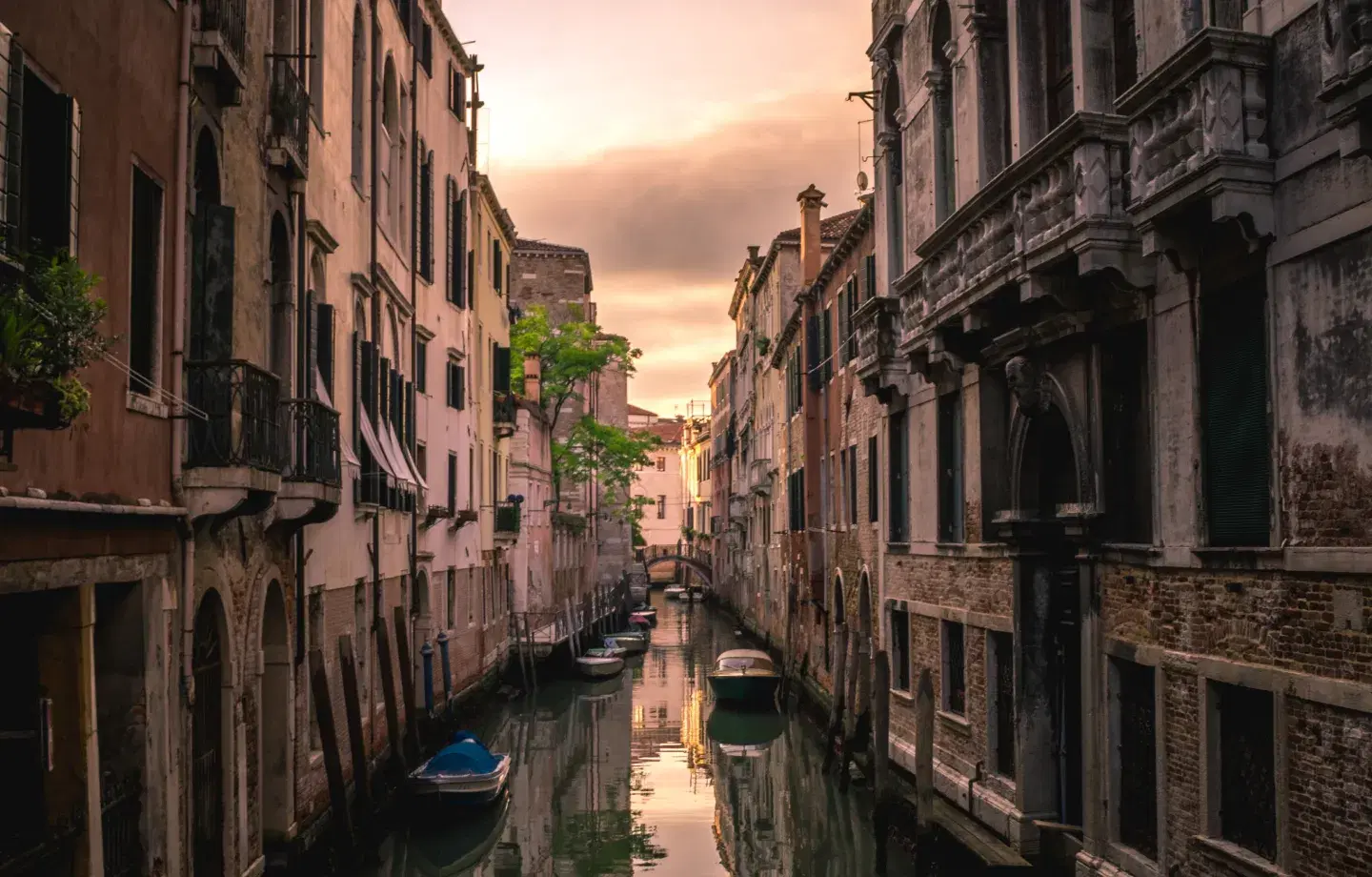
Venice: the city sitting on art and water
5
3 days 2 nights
1 Destinations
From $1,309
in double room
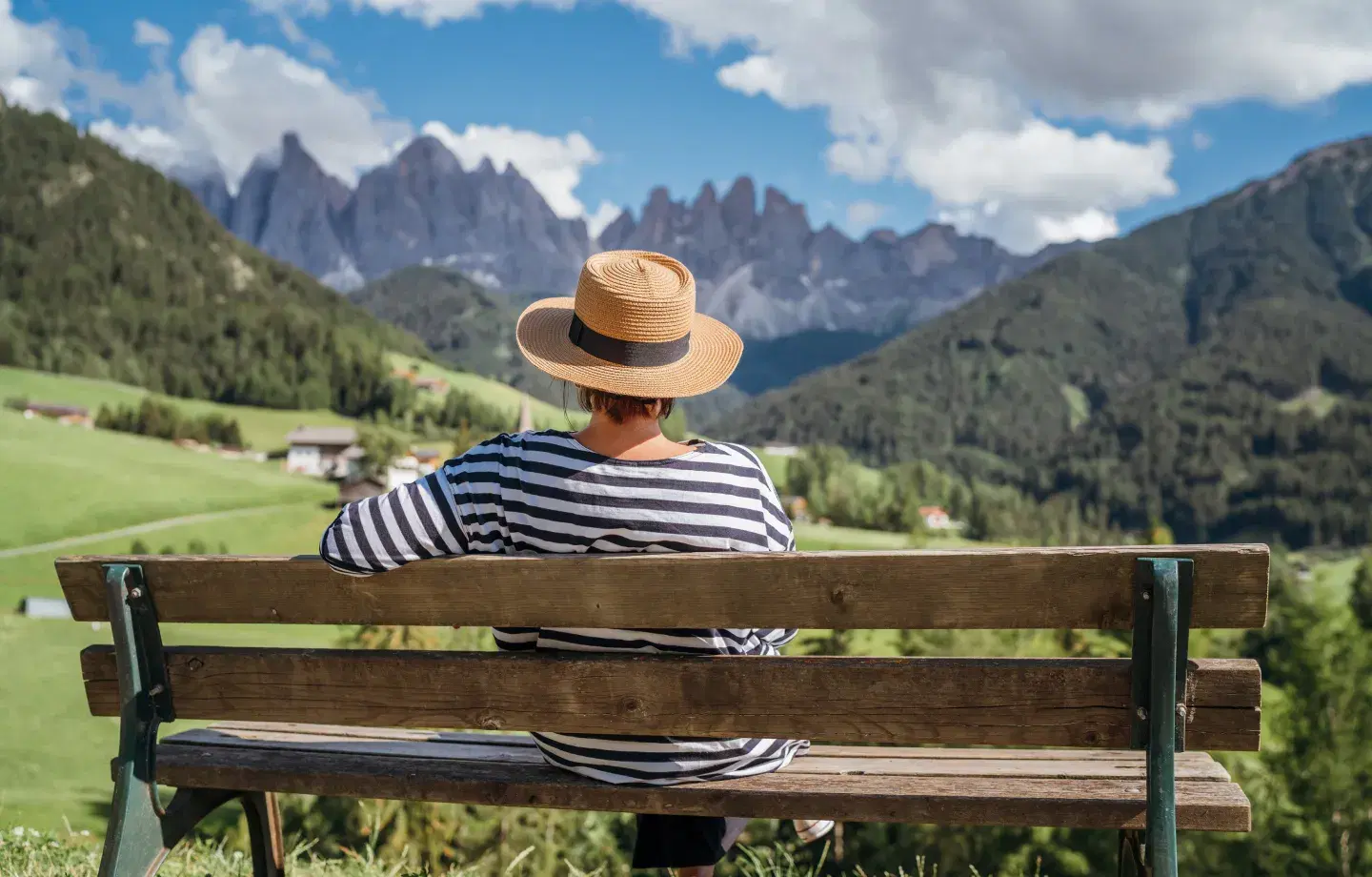
Venice, the Prosecco Hills and the Dolomites: from the sea to the mountains
5 days 4 nights
5 Destinations
From $3,501
in double room
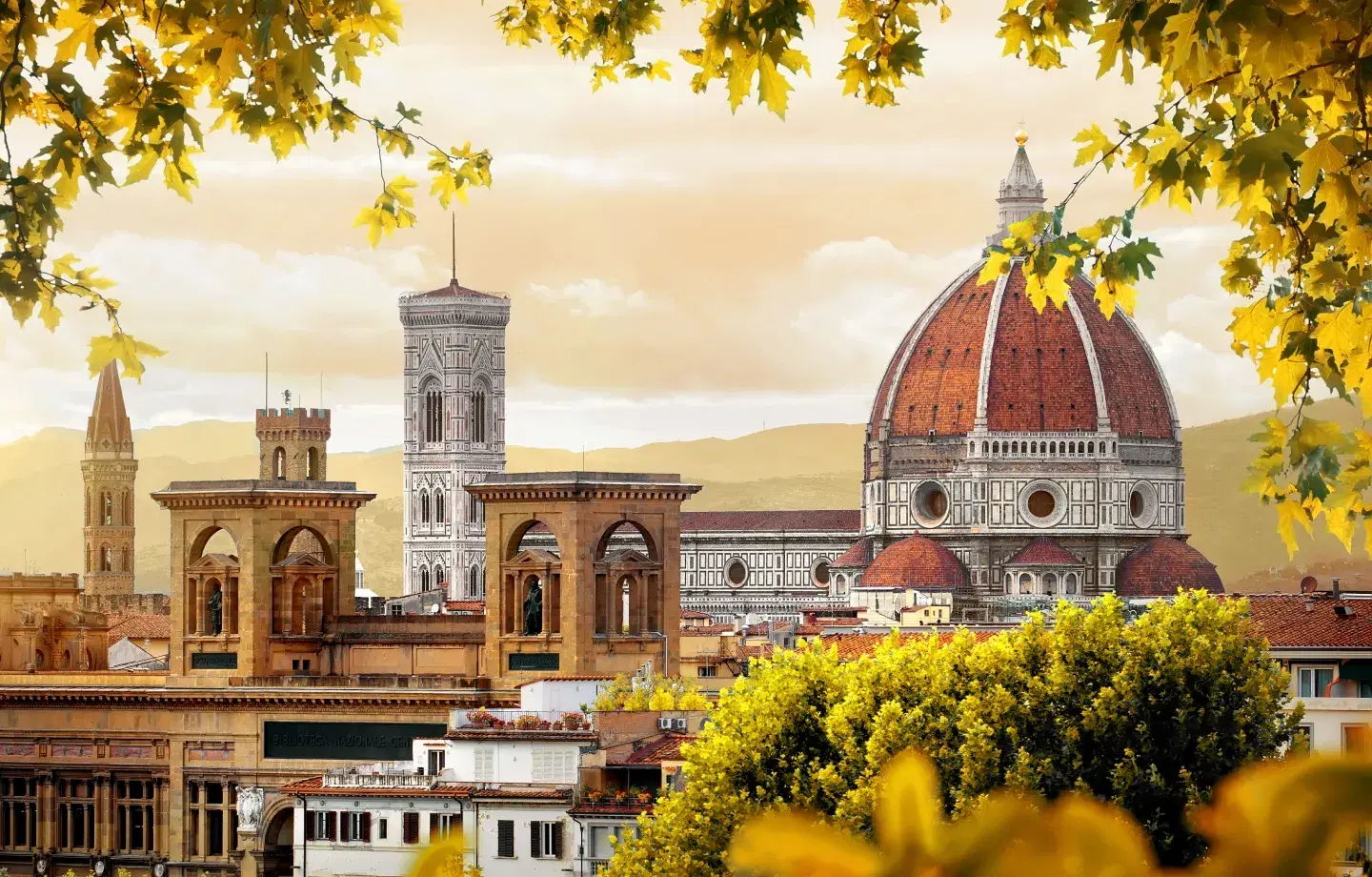
Florence: the cradle of Renaissance
4.5
4 days 3 nights
1 Destinations
From $797
in double room
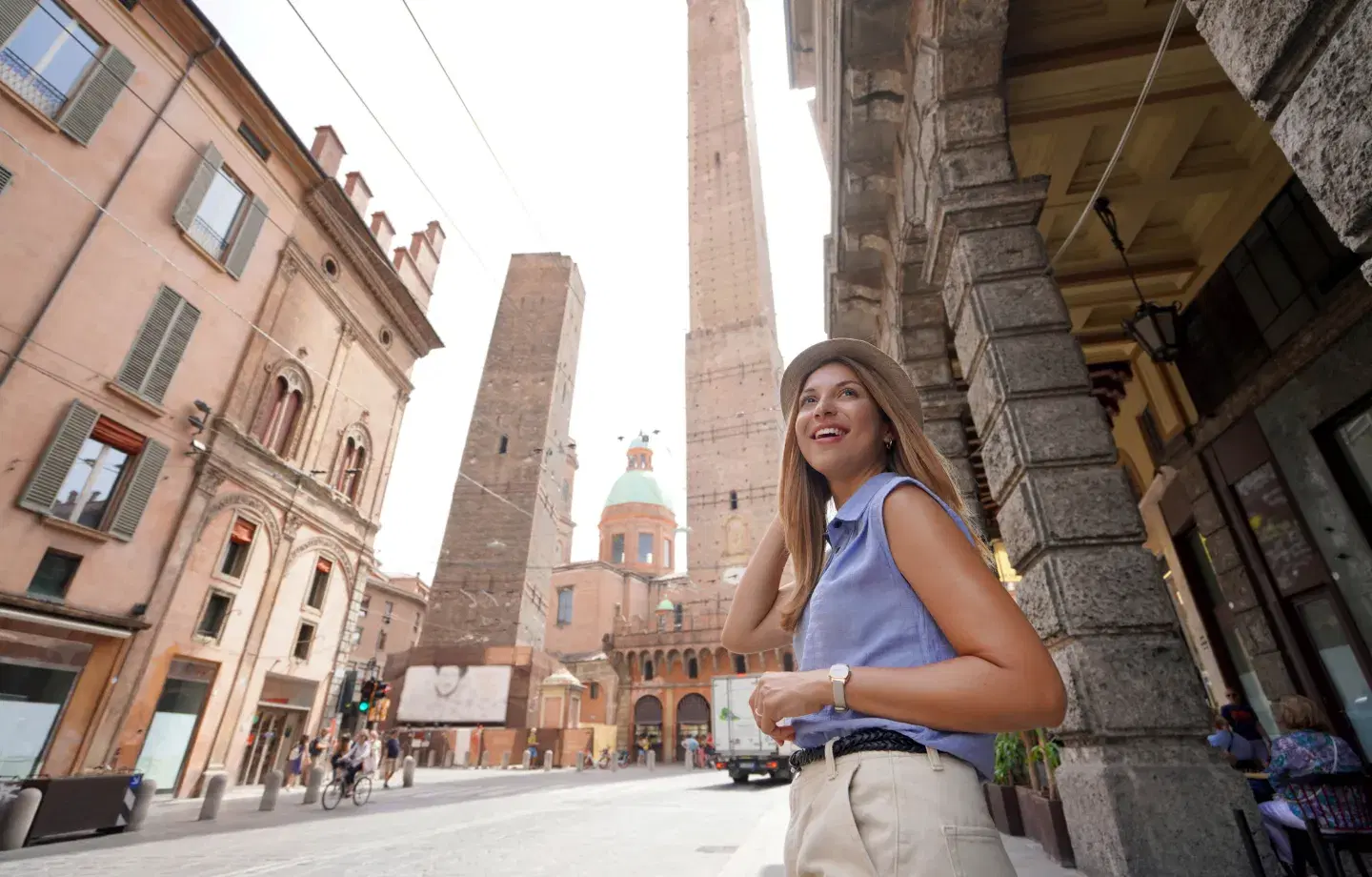
Bologna: from food tours, cultural experiences to the Motor Valley
4.6
4 days 3 nights
4 Destinations
From $2,157
in double room
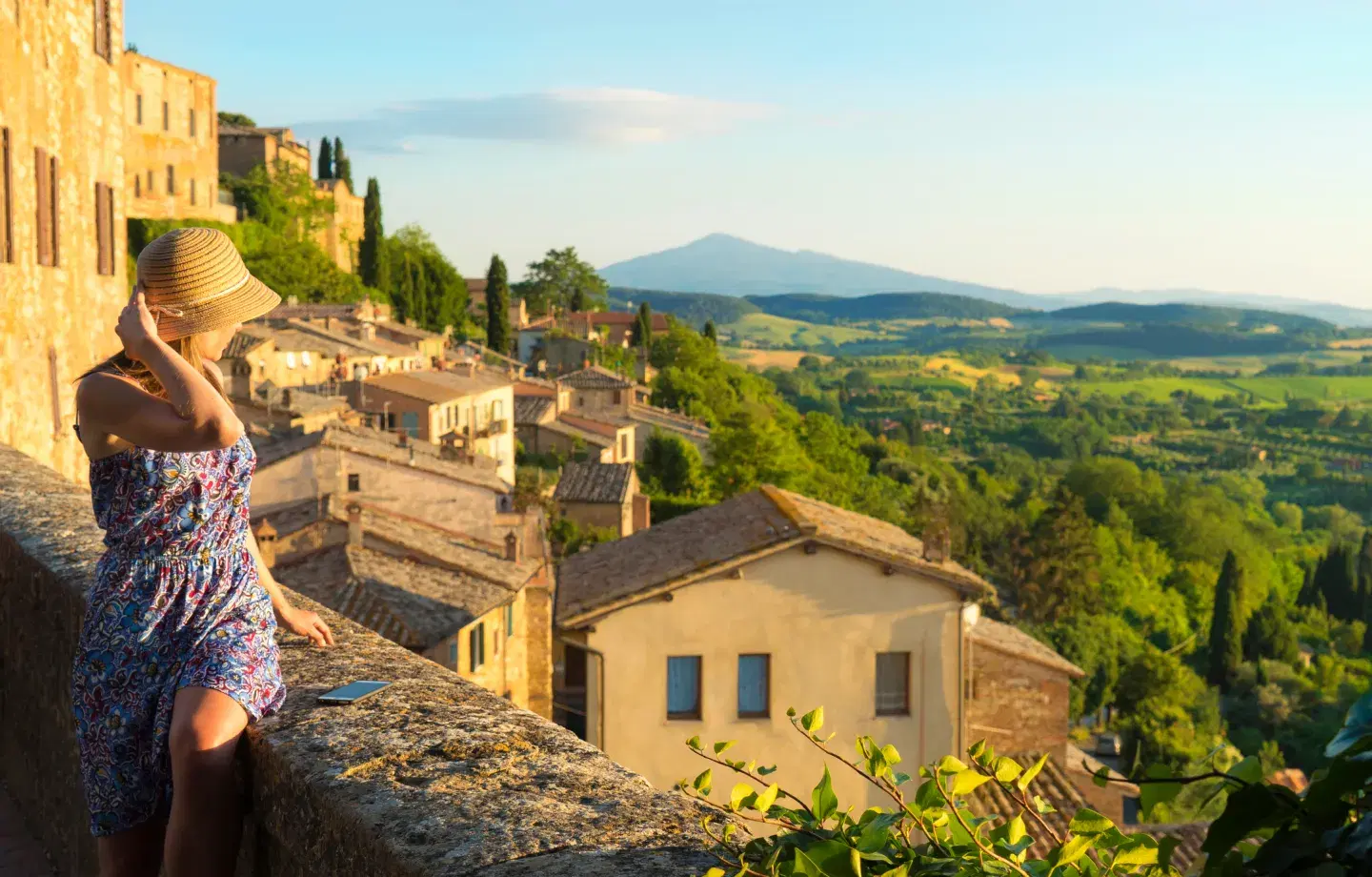
Under the Tuscan Sun: wine tours and excursions
4.7
5 days 4 nights
6 Destinations
From $971
in double room
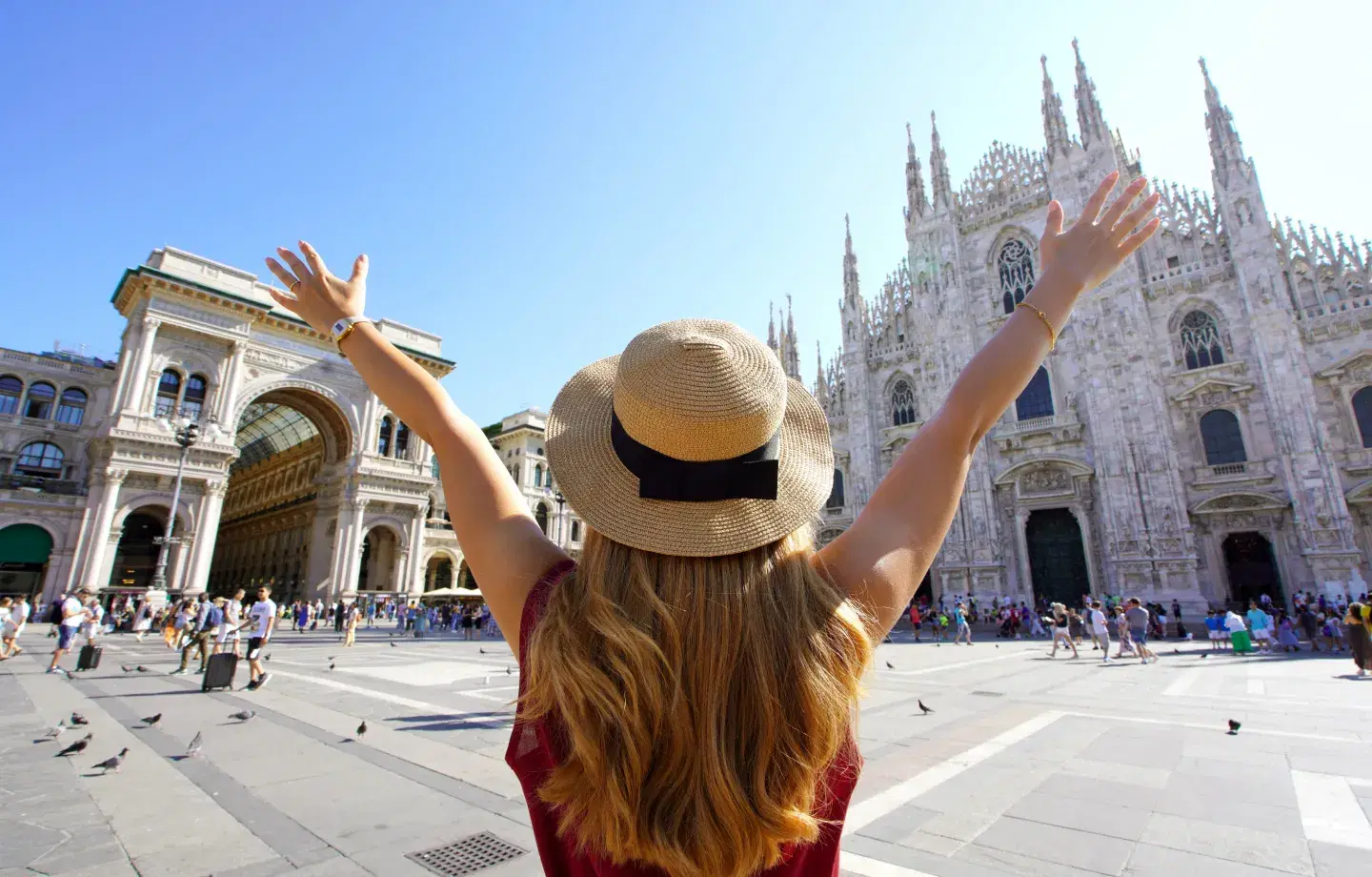
Milan, Lake Como & Venice: landscapes and history from the North
5
6 days 5 nights
4 Destinations
From $2,630
in double room
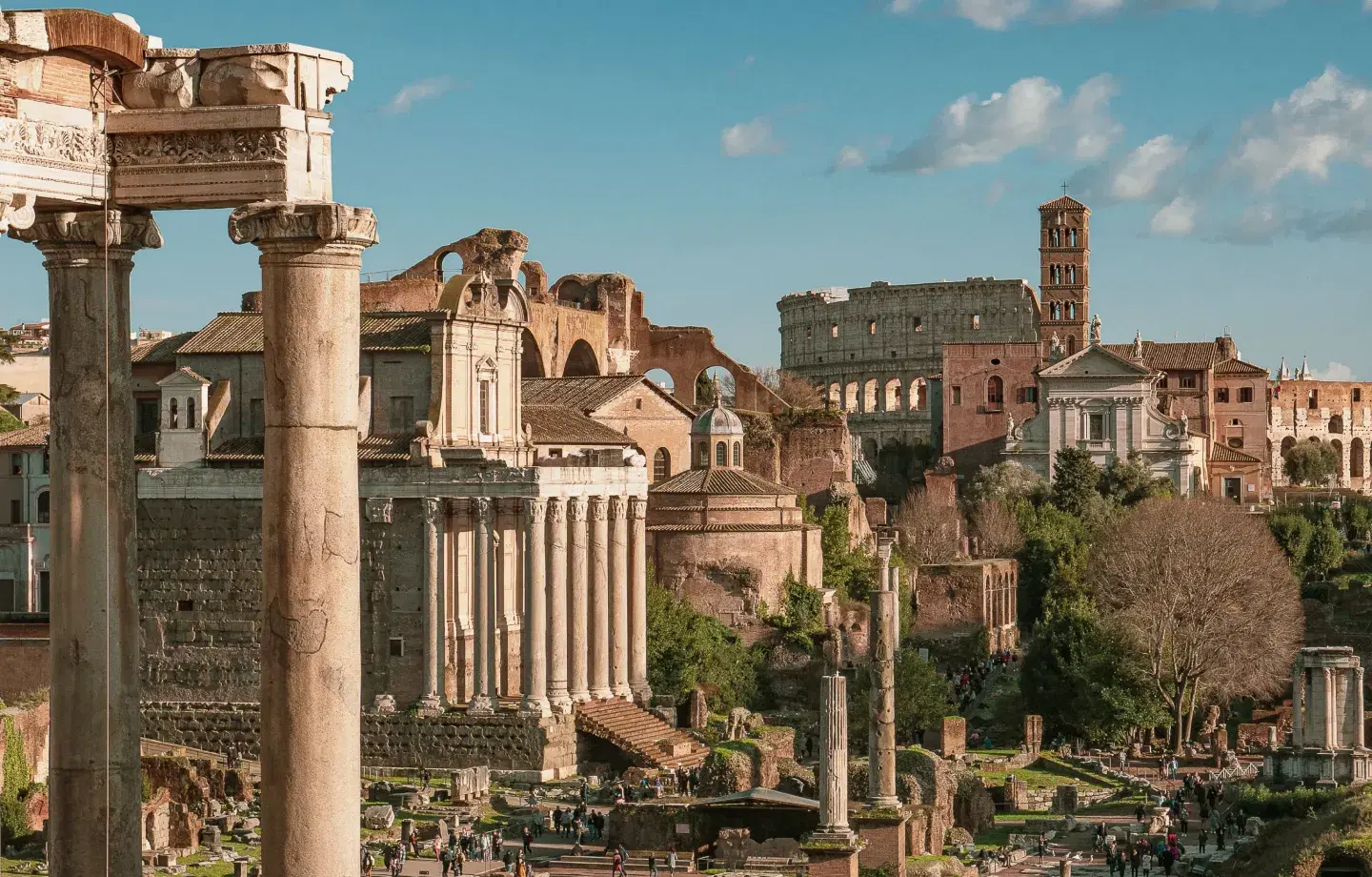
Rome: tour of the Eternal City
4.5
3 days 2 nights
1 Destinations
From $1,077
in double room
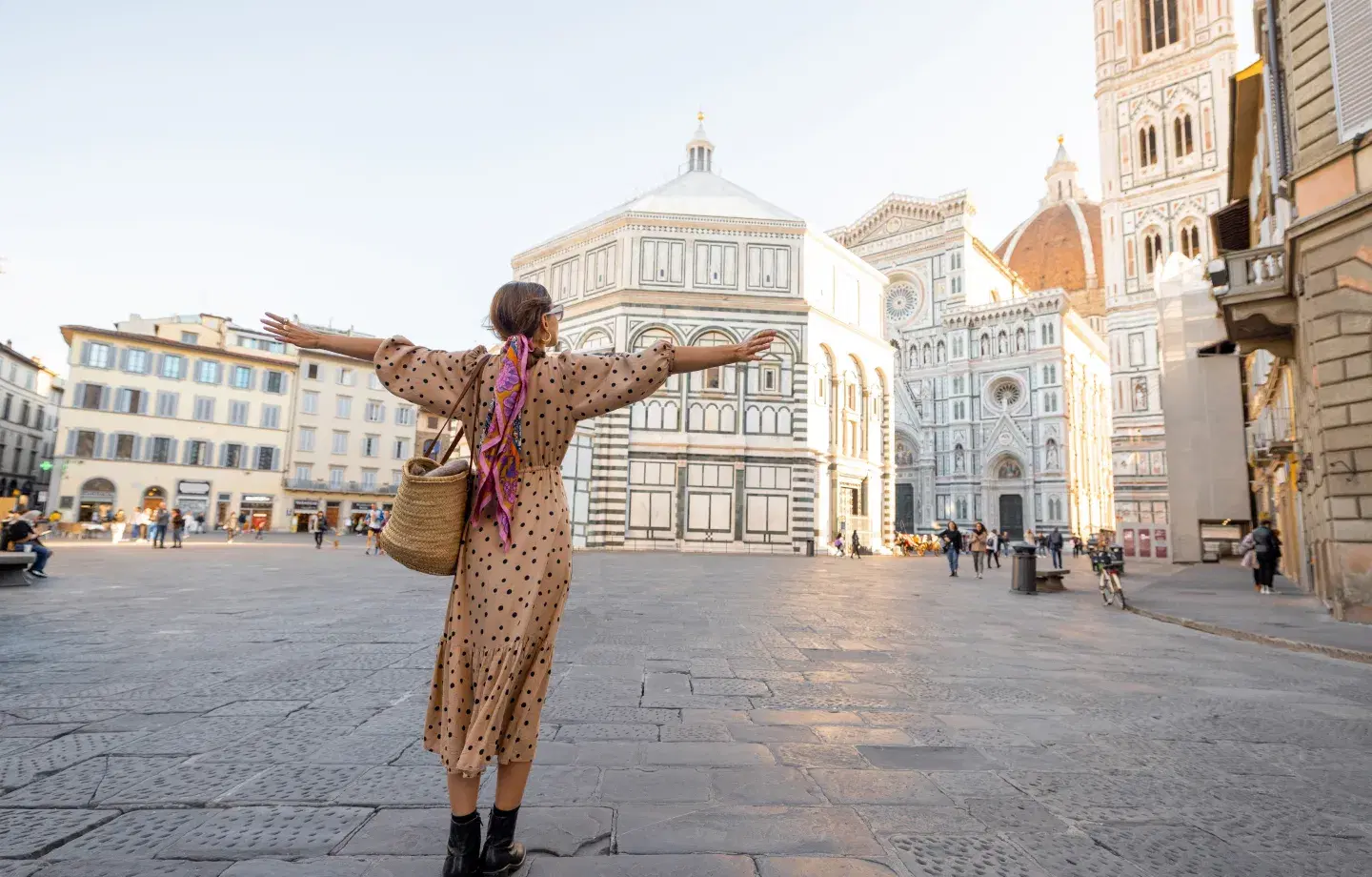
Florence: Medieval and Renaissance tour
3 days 2 nights
1 Destinations
From $482
in double room
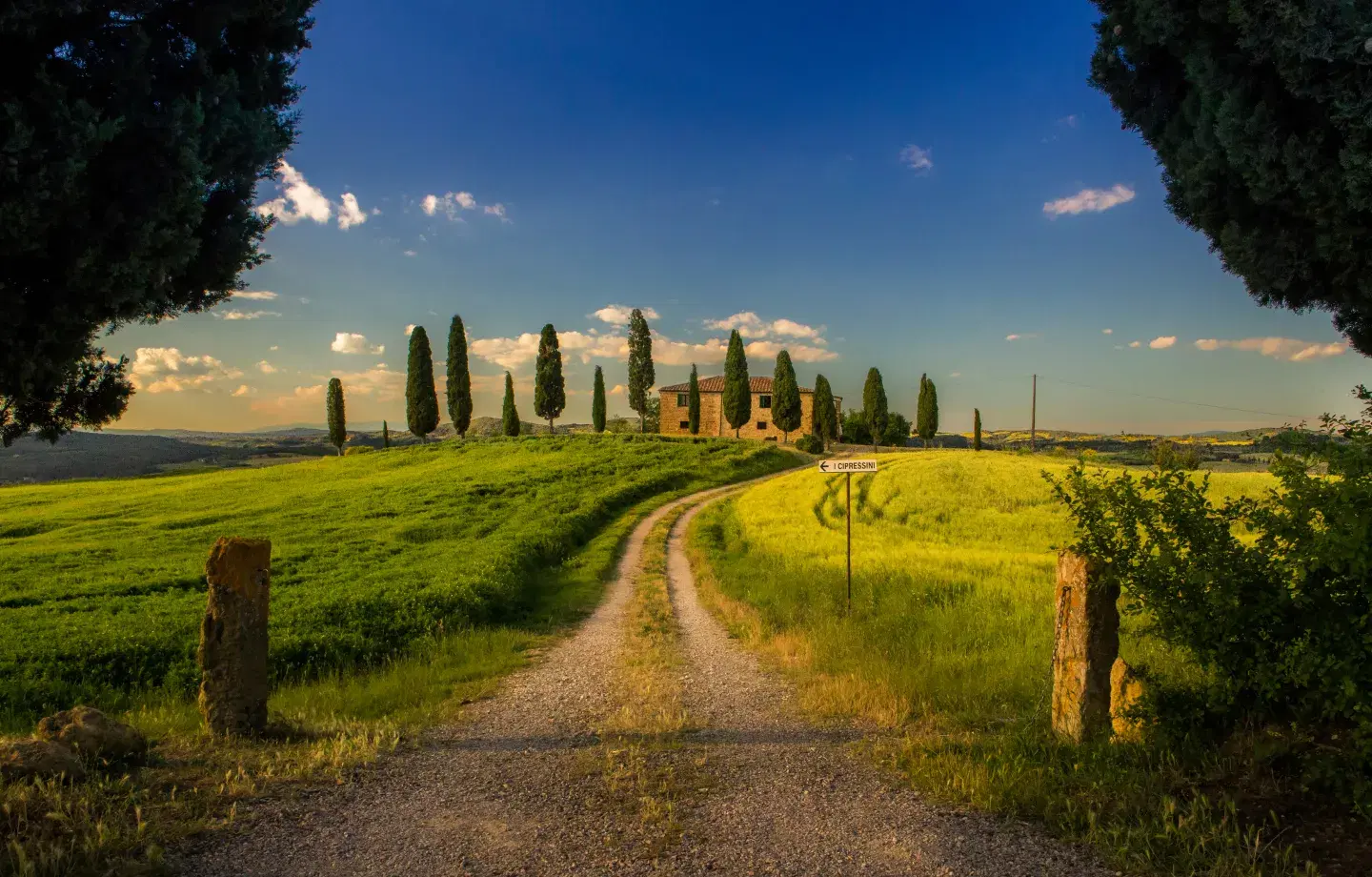
Tuscany: a cultural journey from Florence to Pisa
5 days 4 nights
4 Destinations
From $931
in double room